eXReality.ai
Spatial UX / AI-accelerated prototyping
QR-led spatial interaction and rapid prototyping
The problemEnterprise XR workflows needed clear navigation and feedback within headset, spatial-input and device-performance constraints.
My contributionI connected QR-led retrieval, compact content hierarchy and clear system states within headset constraints.
Prototype to stakeholder approval
3 days
Connectivity prototype reviewed with stakeholders.
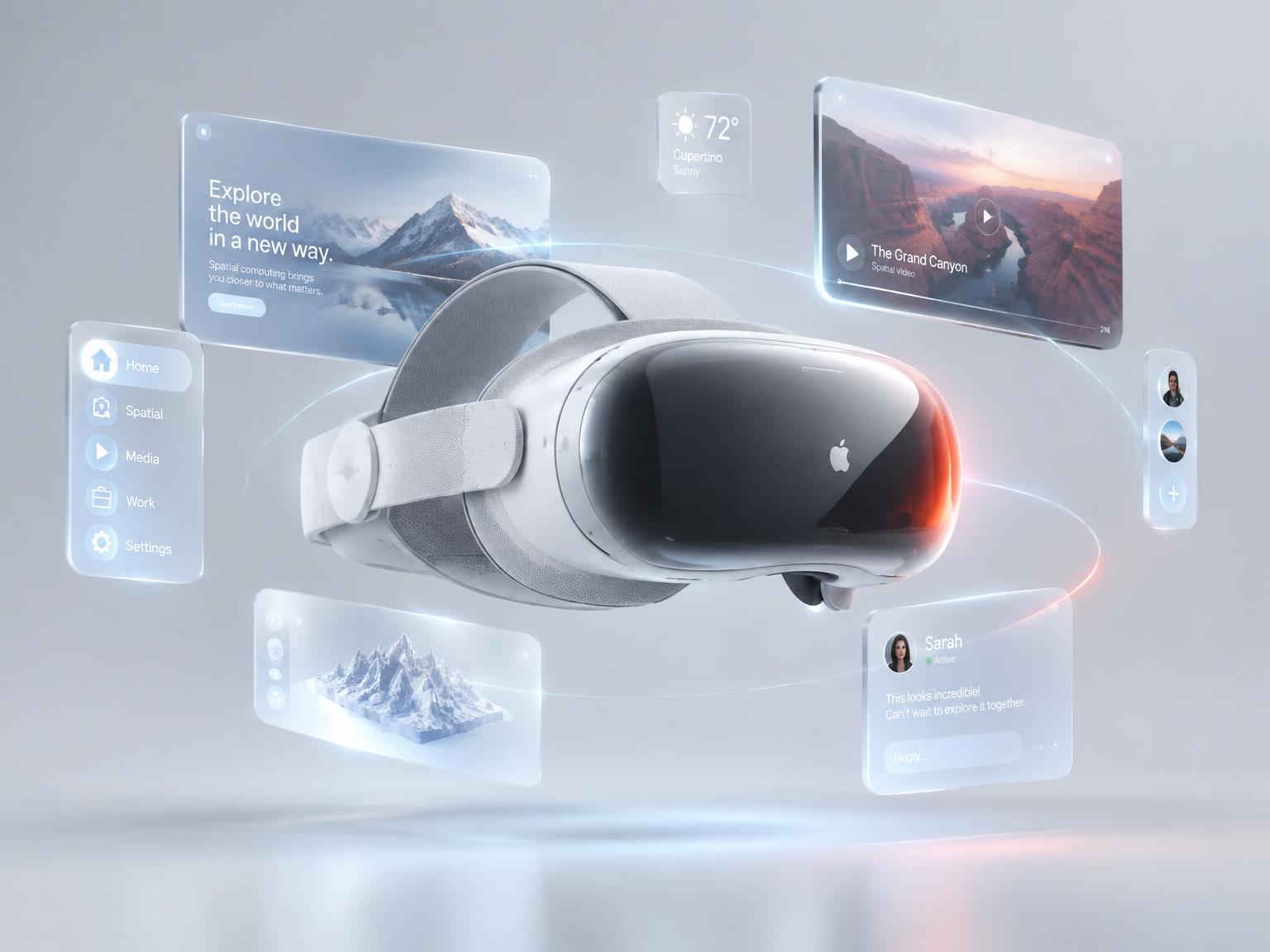
Conceptual spatial illustration, not proprietary product UI.
- My role
- AI & design consultant
- Team
- XR engineers and client stakeholders
- Timeline
- Jul–Aug 2025
- Tools
- Unity, Figma, Cursor, Docker, MCP integrations
Process
The work behind the decisions.
- 01
Evaluate before designing
Heuristic evaluation of four XR experiences surfaced the spatial navigation, feedback and hierarchy patterns worth reusing.
- 02
Design the spatial journey
Mapped task flows within headset constraints and designed and implemented QR-led retrieval, compact information hierarchy and clear feedback, targeting sub-second technical response.
- 03
Prototype to approval
An interactive connectivity-comparison prototype, delivered in three days, earned stakeholder approval through iterative design reviews.
Key decisions
Design decisions that shaped the experience.
A lightweight entry into the experience
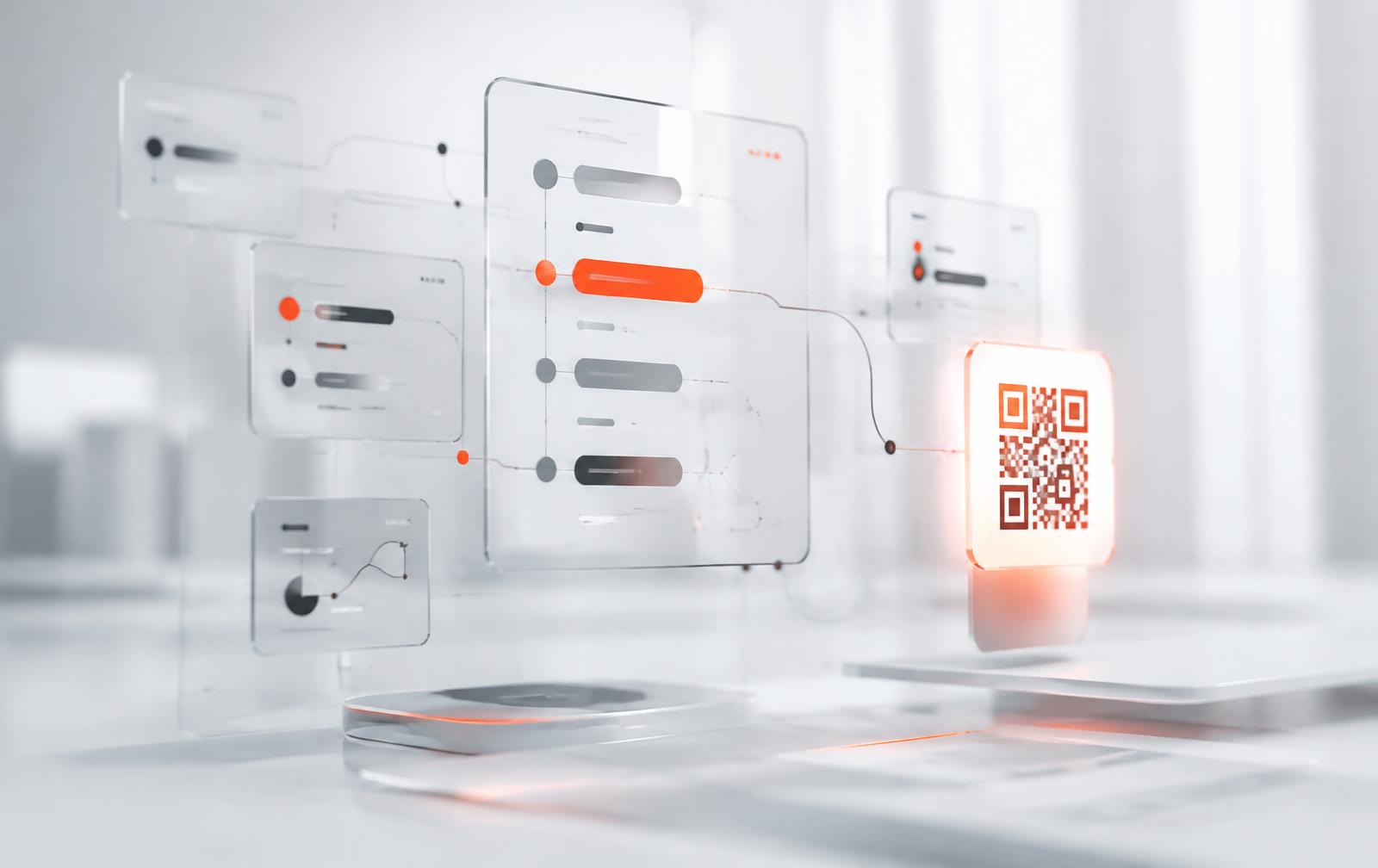
QR-led retrieval gives users a direct entry to content without a cluttered spatial menu.
Trade-off
Prioritize feasible interactions within current hardware constraints while retaining broader concepts for later exploration.
Clear states within headset limits
Compact information hierarchy and explicit system feedback account for battery, thermal and input constraints.
Trade-off
Keep content and system states lightweight without losing the feedback users need to navigate.
Design value & supporting evidence
QR-led spatial interaction and rapid prototyping
Four evaluations narrowed to two approved design directions in one month, with reusable interaction patterns the engineering team could build on.
- Spatial interaction audit
- 4
- AR/XR experiences reviewed for navigation, consistency and feedback.
- Design explorations approved
- 2
- Approved within one month.
- Retrieval performance target
- <1s
- Sub-second technical retrieval design target, not a verified measurement.
Reflection
Headset limits made lightweight content and explicit retrieval states more valuable than a larger spatial menu.
Next case study
Clinical AI decision-support experience design
I mapped AI-assisted lung-detection output into clinical decision-support flows, informed by interviews and workflow benchmarking.
View case studyClinical context
Interpret needs
Readable output
Integrate decision support
Concept review
Separate validation needs