Carleton University
Immersive UX / User research
Immersive interaction design informed by user research
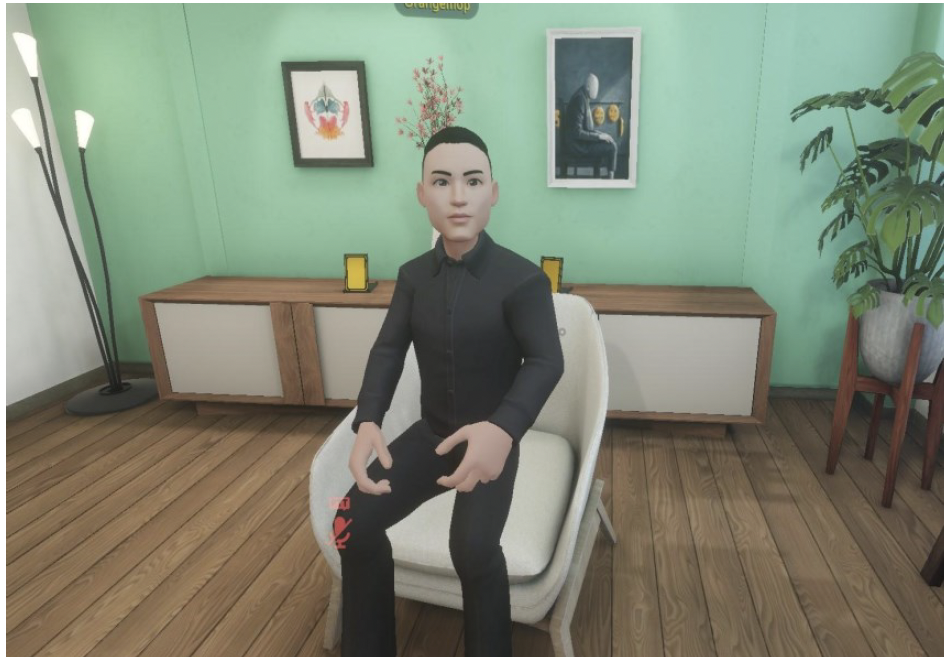
The problemAvatar representation can support social interaction or compete for attention; the design needed evidence about comfort and disclosure.
My contributionI designed avatar environments and study flows to examine comfort and self-disclosure across humanoid and abstract representations.
Avatar interaction comfort
89%
Reported comfort for humanoid avatars in the study.
Avatar representation
Humanoid and abstract
Immersive interaction
Comfort and disclosure
Study observations
Comfort and distraction
- My role
- UX researcher · Student research
- Team
- Academic research collaborators
- Timeline
- 2022–2024
- Tools
- RStudio, Figma, Unity, Blender, Excel, LaTeX
Graduate VR research exploring avatar comfort and self-disclosure.
Process
The work behind the decisions.
- 01
Compare representations
Compared humanoid and abstract avatars to frame the relationship between representation, comfort and self-disclosure.
- 02
Design immersive study flows
Designed VR environments and survey-led study flows to examine participants’ experience of avatar interaction.
- 03
Interpret behavioral patterns
Analyzed reported comfort and observed disclosure patterns, including avatar-related distraction.
Key decisions
Design decisions that shaped the experience.
Treat appearance as interaction design
Compare how representation shapes comfort rather than selecting an avatar on visual style alone.
Trade-off
A representation that feels comfortable may still compete for attention.
Include distraction in the evaluation
Consider avatar-related distraction alongside comfort and disclosure when interpreting the experience.
Trade-off
Comfort and distraction are separate observations, not a single success score.
Design value & supporting evidence
Immersive interaction design informed by user research
Immersive environments and comparative study flows made avatar representation an evidence-informed interaction decision.
- Humanoid avatar comfort
- 89%
- Reported user comfort for humanoid avatars.
- Attention & affordance finding
- 56%
- Reported avatar-related distraction observation.
Reflection
Avatar design is part of the social interaction, not just its visual wrapper. Further testing would explore how representation and environment jointly affect attention and disclosure.
Next case study
Experience strategy for ad-supported listening
A design-led listening flow with predictable interruptions, compared in an 8-participant concept study.
View case studyListening baseline
No ads / standard ads
Predictable ad moment
UX-informed placement
Recall & satisfaction
Compare concept conditions